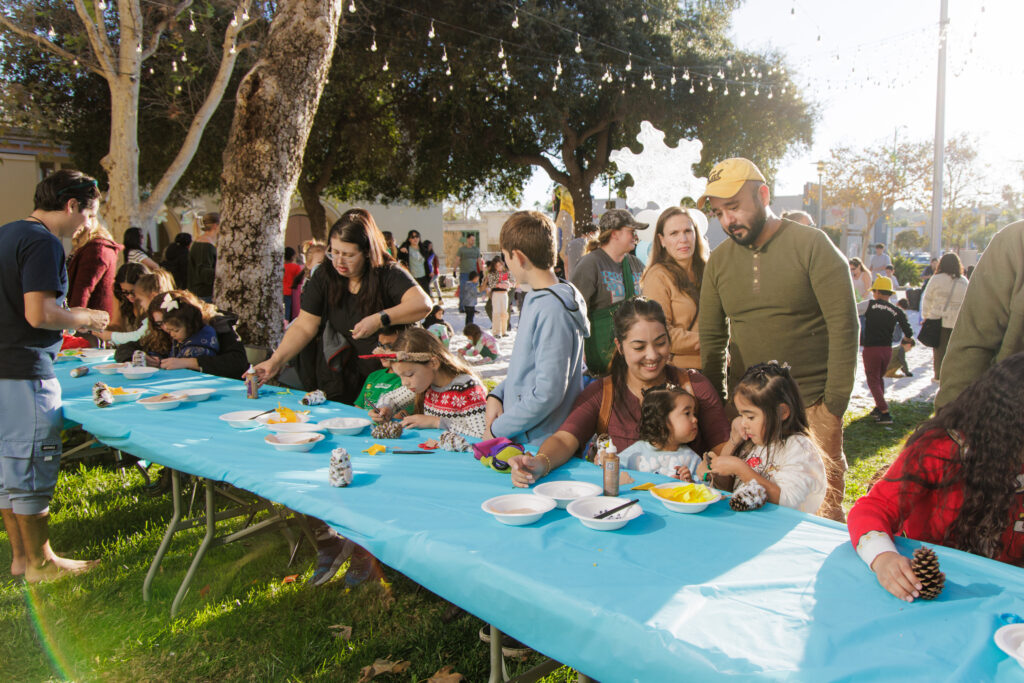
Artists do not exist in isolation. While the image of the solitary painter in a dimly lit studio or the musician lost in their own world is romantic, the reality is that thriving artistic communities are ecosystems, with each participant playing a crucial role in sustaining the whole. The health and vitality of an artistic community depend on interconnected relationships, support systems, and shared responsibility. When we recognize and invest in these connections, we not only ensure our own success but also uplift the entire creative landscape. This is why I am personally inspired by the work that is being done with Escondido’s Arts, Culture and Creativity Month in April, spearheaded by the Public Art Commission.
At the heart of any artistic community are the artists themselves—painters, sculptors, photographers, musicians, dancers, actors, theater technicians and writers. Their creativity is the lifeblood of the community, driving inspiration, dialogue, and innovation. However, even the most talented artists cannot succeed without an audience, patrons, venues, students and collaborators. It is essential that artists support one another and learn from one another—attending each other’s performances, promoting each other’s work, and collaborating across disciplines. A musician playing at a gallery opening, a poet reading at a concert, or a filmmaker screening their work in a local theater all contribute to a dynamic cultural ecosystem.
A thriving arts community also needs engaged audiences. Patrons, whether they are individuals purchasing art or institutions commissioning work, provide the financial backbone necessary for artists to continue creating. But support goes beyond purchasing a ticket or a painting. Engagement—discussing art, sharing work and events on social media, bringing friends to events—helps create a culture where art is valued and sustainable. Attending performances, visiting galleries, and donating to arts organizations are all ways in which community members can invest in the vibrancy of their local scene.
Galleries, theaters, art centers, and museums provide the spaces where art comes to life. These institutions serve as incubators for talent, offering artists a platform to showcase their work and reach wider audiences. However, venues also require support—funding, sponsorships, and enthusiastic participation. When venues and arts organizations thrive, they create opportunities for artists to flourish, which in turn enriches the cultural fabric of a community. Partnerships between local businesses, municipalities, and arts institutions can further strengthen these spaces, ensuring their sustainability.
An ecosystem cannot grow without new life, and for the arts, education is key to nurturing future generations of creatives. Teaching artists, mentors, and arts educators pass down knowledge, skills, and passion, ensuring that the arts remain an integral part of society. Investing in arts education—whether through formal institutions, community programs, or informal mentorship—ensures that creativity continues to thrive for years to come.
Through the hard work of many, Escondido is creating a successful artistic community in which everyone participates in some way. Artists must support one another, patrons must engage actively, venues must provide platforms, and educators must foster new talent. By recognizing our individual roles and taking responsibility for the ecosystem as a whole, we create a sustainable, vibrant, and flourishing arts community. When we lift each other up, we all rise together.
Arts, Culture and Creativity month spans the month of April throughout the City of Escondido. The calendar can be found at visitescondido.com.